
Bad Debt Expense: Formulas, Examples & Tax Tips
Under this method, a company recognizes bad debt expense only when it becomes certain that a specific account receivable is uncollectible. The expense is recorded by directly writing off the bad debt against the accounts receivable, typically during the same accounting period when the debt is deemed uncollectible. This method is preferred because it matches the bad debt expense with the revenue it relates to, providing a more accurate picture of the company’s financial performance during a specific period. In the realm of accounting, managing receivables is a crucial aspect of maintaining a company’s financial health. One of the challenges businesses face is direct write-off method dealing with bad debts—amounts owed by customers that are unlikely to be collected. The Direct Write-Off Method is one approach to handling these uncollectible accounts.
Is bad debt recovered an income or expense?

Once you know how much from each time period, add them to get the total allowance balance. Allowance for Doubtful Accounts had a credit balance of $9,000 on December 31. The direct write-off method allows a business to record Bad trial balance Debt Expense only when a specific account has been deemed uncollectible.
- Sometimes, people encounter hardships and are unable to meet their payment obligations, in which case they default.
- The credit establishes the contra-asset account, which houses the cumulative estimate of expected losses.
- As in all journal entries, the first step is to figure out which accounts will be used.
- Proper credit policies, diligent monitoring of receivables, and regular reviews and adjustments are essential components of a comprehensive bad debt management strategy.
- Once re-instated, a payment can be applied to the re-instated invoice amount.
- The estimation of losses under the Allowance Method creates a contra-asset account on the balance sheet called Allowance for Doubtful Accounts.
The Profit-First Guide to Growing Your HVAC Business + Freebies
- GAAP mandates that expenses be matched with revenue during the same accounting period.
- Because we identified the wrong account as uncollectible, we would also need to restore the balance in the allowance account.
- Although less accurate, the direct write-off method directly reduces accounts receivable when a debt is confirmed uncollectible.
- Usually, the longer a receivable is past due, the more likely that it will be uncollectible.
It is also commonly used for tax reporting purposes under IRS rules in the United States. This method is preferred in situations where the simplicity of recording actual losses outweighs the need for accurate matching of revenue and expenses. The method does not involve a reduction in the amount of recorded sales, only the increase of the bad debt expense. For example, a business records a sale on credit of $10,000, and records it with a debit to the accounts receivable account and a credit to the sales account. After two months, the customer is only able to pay $8,000 of the open balance, Certified Bookkeeper so the seller must write off $2,000.
Tax Reporting

You will lose a bit of financial accuracy and compliance in exchange for fewer journal entries and an easier bookkeeping process. So, use it wisely, understand its limitations, and be prepared to switch to a more precise method as your business matures. Not all businesses need a complicated system to deal with unpaid invoices. The direct write-off method is often used when tracking bad debts doesn’t need to be precise—just practical. Here are some of the most common situations where using this method makes sense. Our platform provides real-time tracking of overdue accounts, giving you a clear picture of your accounts receivable at any moment.
- Big businesses and companies that regularly deal with lots of receivables tend to use the allowance method for recording bad debt.
- The Matching Principle requires that revenues and their related expenses be recorded in the same accounting period.
- Using this allowance method, the estimated balance required for the allowance for doubtful accounts at the end of the accounting period is 7,100.
- Choosing the right method for accounting for bad debt is essential for accurate financial reporting and compliance with accounting standards.
- Though calculating bad debt expense this way looks fine, it does not conform with the matching principle of accounting.
- But, if you run a small shop with only the occasional non-payer, and are more concerned with simplicity than perfect financial accuracy, it might be just fine.
Streamline your bad debt recovery with Ramp
Additionally, using reliable calculation methods helps align your practices with accounting standards, reducing the risk of financial discrepancies. An accounting technique that estimates and matches bad debt expenses to related revenue within the same period using an allowance for doubtful accounts. Recovering a bad debt strengthens your balance sheet by increasing either cash (if you receive payment) or accounts receivable (if you reinstate the debt before payment). The boost in assets improves key financial ratios, like your current ratio and accounts receivable turnover, signaling more effective collection practices.
- One of the simplest ways to estimate bad debt is by using a formula based on historical data.
- The two methods used in estimating bad debt expense are 1) Percentage of sales and 2) Percentage of receivables.
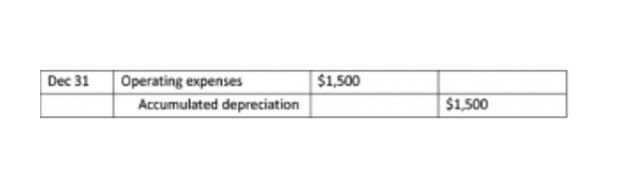
- The journal entry for initial recognition typically involves debiting the bad debt expense account and crediting the allowance for doubtful accounts.
- With a balance sheet approach the ending balance on the allowance account is calculated, and the bad debt expense is the balancing figure.